
jackiejsu0931
About jackiejsu0931
The Rise of Private Jet Flights: A Complete Analysis of Tendencies, Advantages, And Environmental Impacts
The world of aviation has seen significant transformations over the previous few decades, with private jet flights emerging as a outstanding phase throughout the industry. This text explores the increasing reputation of private jet travel, the advantages it affords, and the environmental considerations associated with this mode of transportation.
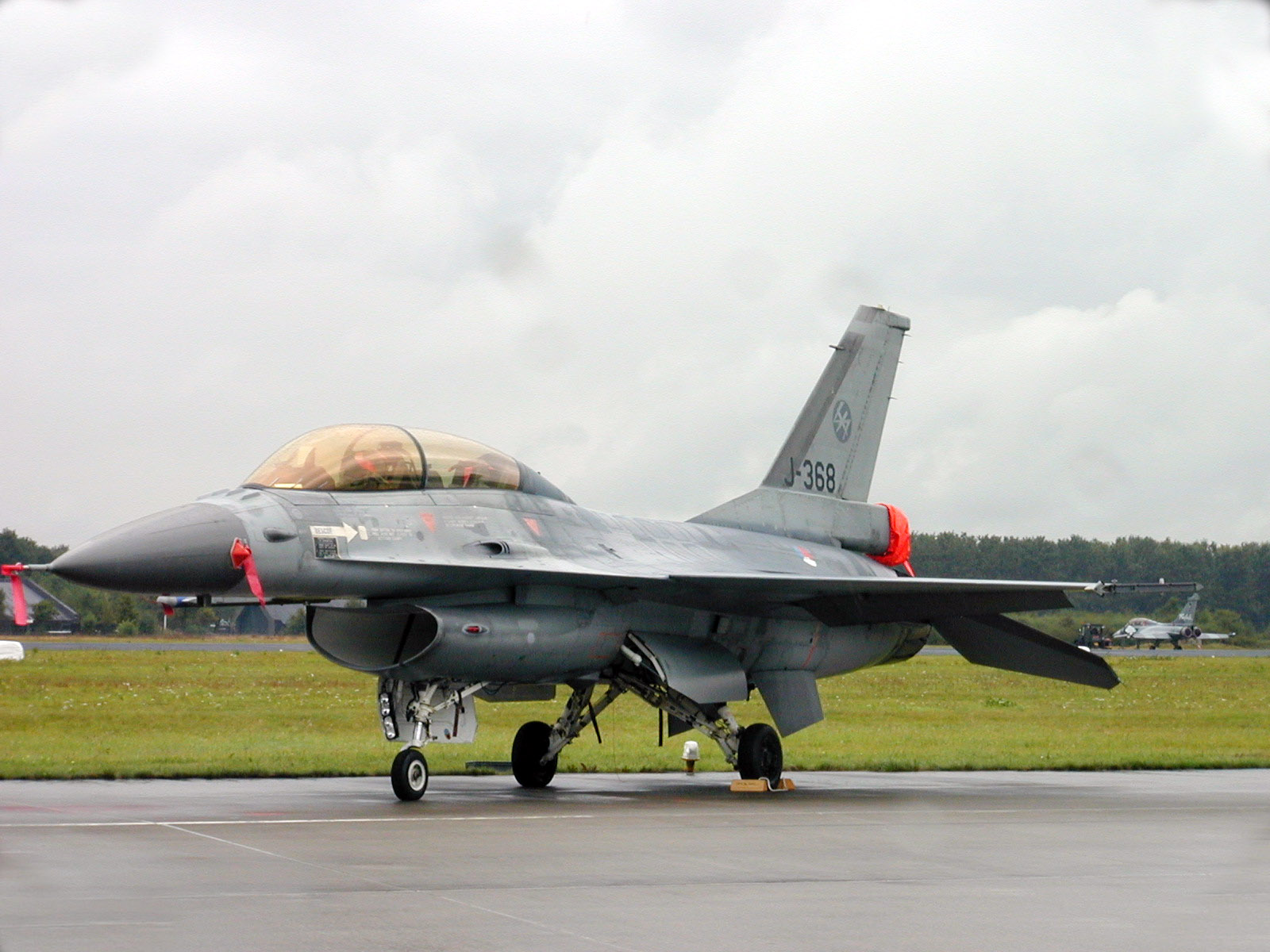
The expansion of Private Jet Travel
The private jet industry has experienced exponential development, particularly in the last decade. Based on market analysis, the global private jet market was valued at approximately $24 billion in 2020 and is projected to succeed in around $36 billion by 2026, rising at a compound annual development charge (CAGR) of 7.5%. The surge in demand can be attributed to several elements, including the rise of the affluent class, the need for customized journey experiences, and the increasing need for flexibility and time effectivity in business journey.
Who Flies Private?
Private jet travel isn’t restricted to extremely-high-web-value people; it encompasses a diverse clientele, including company executives, celebrities, and even medical patients requiring urgent transportation. The COVID-19 pandemic further accelerated the pattern, as many travelers sought to avoid crowded commercial airports and ensure a extra managed travel surroundings. Moreover, the rise of fractional ownership and jet card programs has made private flying extra accessible to individuals who may not own a jet outright however nonetheless seek the benefits of private air travel.
Advantages of Private Jet Flights
- Time Efficiency: One of the most significant advantages of flying privately is the reduction in travel time. Private jets can access smaller airports that are sometimes closer to ultimate locations, bypassing the congestion of major commercial hubs. Furthermore, passengers can arrive on the airport simply minutes earlier than departure, eliminating the necessity for lengthy test-in and security procedures.
- Flexibility and Convenience: Private jet travel permits for better flexibility in scheduling. Passengers can dictate their departure times and routes, accommodating last-minute modifications or unexpected enterprise needs. This level of comfort is particularly worthwhile for enterprise travelers who must maximize their time.
- Privateness and Consolation: Private jets offer a degree of privacy and consolation that commercial airlines cannot match. Passengers can conduct confidential meetings, loosen up in spacious cabins, and get pleasure from customized companies tailor-made to their preferences. This facet is particularly interesting to excessive-profile people who require discretion during their travels.
- Enhanced Safety: In the wake of the COVID-19 pandemic, safety has grow to be a paramount concern for travelers. Private jets present a controlled atmosphere, lowering exposure to large crowds and minimizing health risks. If you are you looking for more info regarding privatejetcardreview stop by our own page. Many private jet companies have carried out rigorous sanitation protocols to ensure passenger security.
Environmental Impacts of Private Jet Travel
Despite the quite a few advantages associated with private jet flights, the environmental implications cannot be neglected. Private jets are often scrutinized for their carbon footprint, as they contribute significantly to greenhouse gas emissions. Analysis signifies that private jets emit as much as 14 instances more carbon dioxide per passenger than business flights. This discrepancy raises considerations about the sustainability of private air travel, particularly in an period where local weather change is a urgent world problem.
Efforts In the direction of Sustainability
In response to growing environmental concerns, the private aviation business is increasingly adopting sustainable practices. A number of firms are investing in the event of extra fuel-efficient aircraft and exploring various fuels, similar to sustainable aviation gas (SAF). SAF is produced from renewable sources and may considerably scale back the lifecycle greenhouse gas emissions of aviation gasoline.
Moreover, many private jet operators are implementing carbon offset programs, permitting passengers to compensate for their flight emissions by investing in environmental initiatives, such as reforestation or renewable power initiatives. This approach goals to mitigate the environmental affect of private flying whereas promoting awareness of sustainability within the aviation sector.
The way forward for Private Jet Travel
The way forward for private jet travel seems promising, with technological developments and changing client preferences shaping the industry. Innovations resembling electric and hybrid aircraft are on the horizon, which could revolutionize private aviation by reducing emissions and working costs. Additionally, the rising pattern of digital platforms for booking private flights is making the method extra streamlined and consumer-pleasant, attracting a broader audience.
As the trade continues to evolve, will probably be crucial for stakeholders to balance the demand for luxurious and convenience with the necessity for sustainable practices. The combination of inexperienced technologies and a commitment to lowering environmental impacts will play a significant role in shaping the future of private jet travel.
Conclusion
Private jet flights have change into an integral part of the trendy travel landscape, offering unparalleled convenience, flexibility, and consolation. Whereas the expansion of this sector presents numerous benefits, it additionally poses important environmental challenges that have to be addressed. Because the industry moves ahead, the adoption of sustainable practices and revolutionary technologies can be essential in ensuring that private aviation can coexist with the global imperative for environmental stewardship. The trajectory of private jet travel will ultimately rely upon the trade’s capacity to adapt to changing societal values and environmental concerns, paving the best way for a extra sustainable future in aviation.
No listing found.